Algorithmic Influences on Payout Multipliers and Bonus Triggers in British Multi-Channel Gambling Operations
Sage Russell · Aug 25, 2026
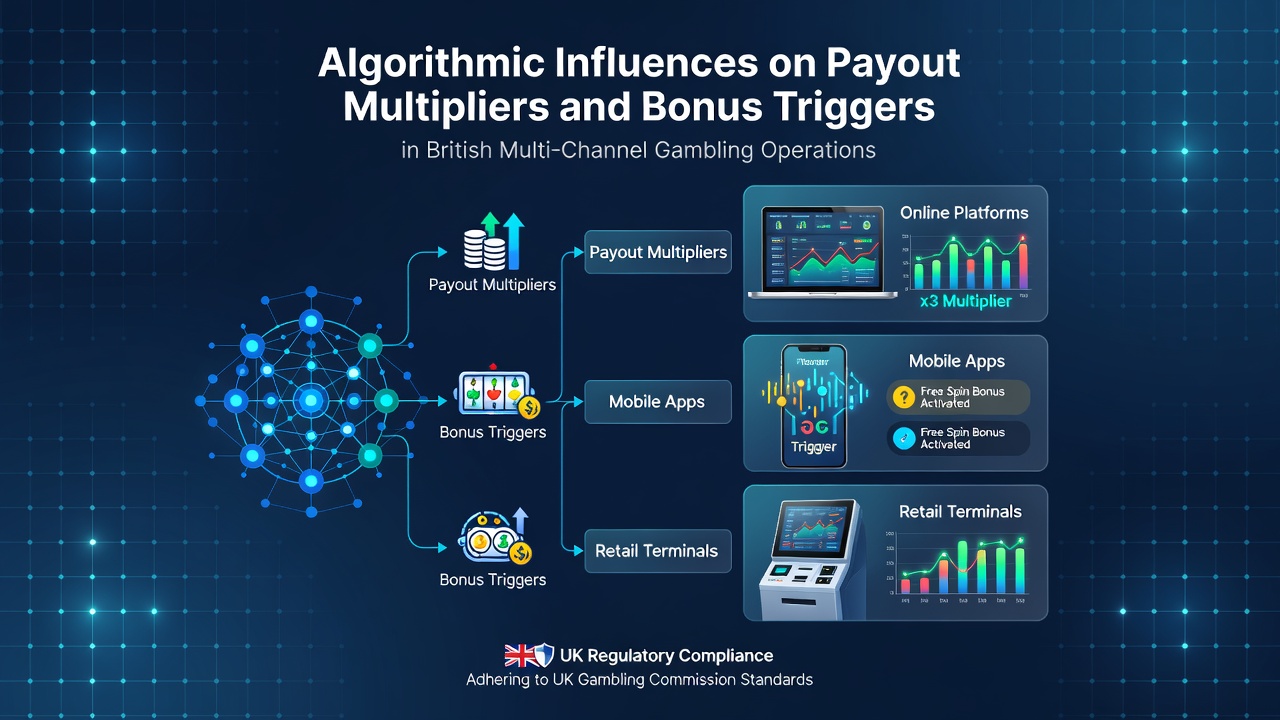
Algorithmic Influences on Payout Multipliers and Bonus Triggers in British Multi-Channel Gambling Operations
Operators in British multi-channel gambling environments rely on complex algorithms that process vast datasets from online platforms, mobile applications, and retail terminals to calculate payout multipliers and activate bonus triggers, and these systems integrate player activity metrics such as wager frequency, session duration, and game selection patterns to determine outcomes in real time. Research from the University of Sydney's Gambling Research Unit shows that such algorithms often incorporate random number generators certified by independent testing laboratories, yet they layer additional personalization layers that respond to behavioral signals without altering core randomness parameters.
Core Mechanisms Behind Payout Multipliers
Algorithms governing payout multipliers in slots and table games typically draw from historical performance data across thousands of plays, then scale rewards based on volatility indexes and return-to-player percentages that operators set within regulatory boundaries. Those who manage these systems note that multipliers increase during promotional windows when algorithms detect low engagement periods, and this adjustment happens through machine learning models that predict churn risks while maintaining fixed house edges. In August 2026, updates to cross-platform data sharing protocols are expected to refine these calculations further as operators synchronize multipliers between app-based casino sessions and in-venue betting terminals.
Evidence from industry reports indicates that British firms handling multi-channel operations apply decision trees and neural networks to evaluate risk profiles, which in turn influence whether a multiplier applies to base game wins or extends into feature rounds. Observers note that this process connects directly to compliance checks that flag unusual patterns, thereby preventing excessive payouts that could breach internal financial controls.
Bonus Trigger Systems and Data Integration
Bonus triggers activate when algorithms identify specific combinations of inputs, including deposit amounts, game completion rates, and loyalty tier progression, and these conditions often combine across channels so that activity on a sportsbook app contributes toward casino bonus eligibility. Researchers have documented cases where reinforcement learning models adjust trigger thresholds dynamically, raising or lowering the bar for free spin awards or deposit matches based on aggregate player cohort behavior rather than individual accounts alone. One study revealed that such adaptive triggers help operators balance promotional costs against revenue projections, since the models forecast redemption rates with increasing accuracy over successive quarters.

Figures released by the Nevada Gaming Control Board highlight similar algorithmic structures in other jurisdictions, where bonus eligibility calculations incorporate location data from retail sites alongside online metrics to create unified player profiles. In British contexts, this integration supports seamless transitions between football betting interfaces and slot sessions, allowing algorithms to trigger cross-product bonuses when predefined spending or time-on-site milestones are reached.
Multi-Channel Synchronization Challenges
Coordinating algorithms across online, mobile, and land-based channels presents technical hurdles because latency differences and data format variations can delay multiplier updates or bonus notifications, yet operators address these issues through centralized cloud architectures that process inputs in milliseconds. Those who oversee platform development report that edge computing nodes at retail locations now feed real-time statistics into the same models used for digital channels, which reduces discrepancies in how multipliers apply during live events or racing meetings. Data shows that synchronization improves retention metrics when players experience consistent bonus opportunities regardless of access point.
Academic analyses of European gambling systems further demonstrate that regulatory sandboxes established in 2025 encouraged testing of these integrated algorithms, and the resulting datasets reveal measurable shifts in trigger frequency during peak periods such as weekend football fixtures. What's significant is that these tests also track secondary effects on player session lengths, providing operators with granular feedback loops for ongoing refinement.
Regulatory and Technical Oversight
Compliance frameworks require independent audits of algorithmic code to verify that payout multipliers remain within advertised ranges and that bonus triggers operate transparently, and external verifiers examine source code for hidden variables that could skew outcomes. Industry organizations such as the European Gaming and Betting Association publish guidelines that encourage operators to document decision logic, thereby enabling regulators to trace how player data influences specific multiplier values or trigger events. In practice, this documentation process connects directly to broader responsible gambling initiatives that use the same algorithms to detect potential harm indicators and pause bonus eligibility when risk thresholds are crossed.
Conclusion
British multi-channel gambling operations continue to evolve their algorithmic frameworks as data volumes grow and cross-channel integration deepens, with payout multipliers and bonus triggers serving as central components that balance commercial objectives against technical and regulatory demands. Observers note that ongoing developments scheduled around August 2026 will likely accelerate these refinements, particularly as new synchronization standards take effect across platforms. Those who study these systems recognize that the underlying models deliver measurable efficiency gains while requiring sustained scrutiny to maintain fairness and transparency standards across the sector.