Analytics-Driven Personalization: How Modern Platforms Tailor Free Bet Allocations Based on User Activity Patterns in Sports and Gaming
Henrik Schröder · Jun 20, 2026
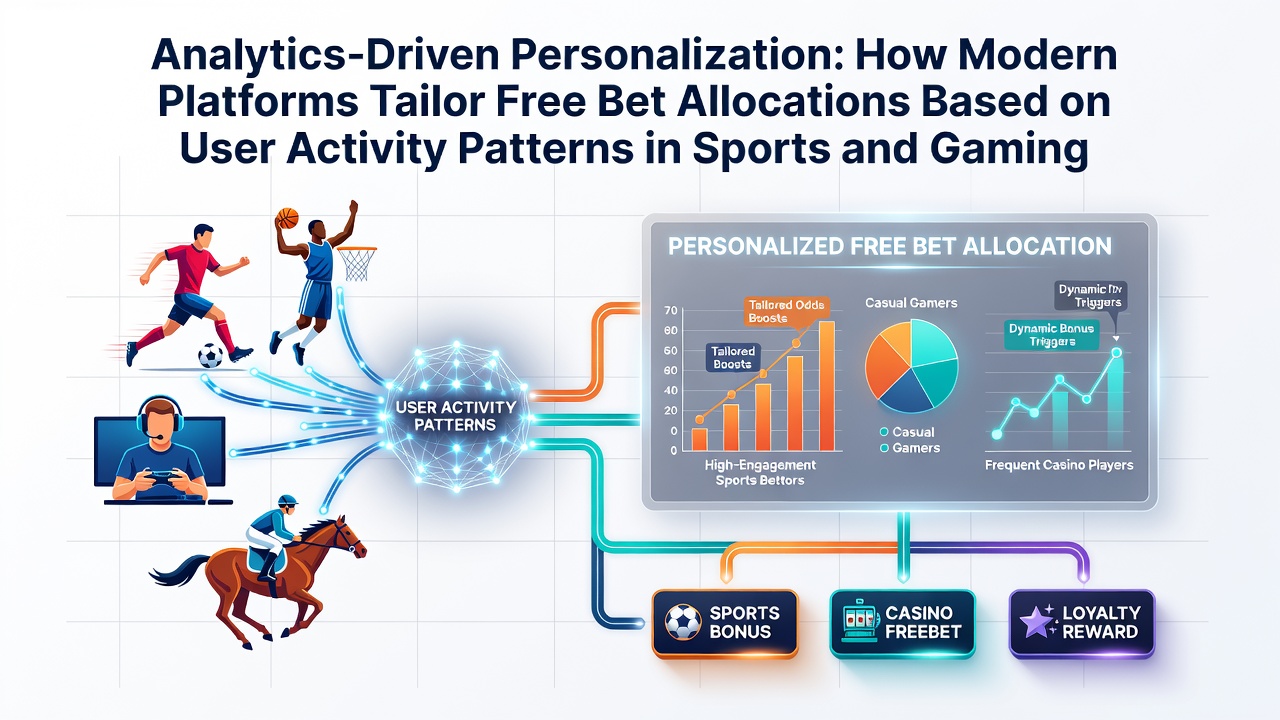
Analytics-Driven Personalization: How Modern Platforms Tailor Free Bet Allocations Based on User Activity Patterns in Sports and Gaming
Modern platforms in sports betting and online gaming rely on analytics to allocate free bets according to individual user activity patterns, and this approach draws from large datasets that track betting frequency, preferred sports categories, session durations, and game types engaged with over time. Data collection begins at the point of user registration and continues through every interaction, allowing algorithms to identify recurring behaviors such as consistent wagers on specific leagues or repeated play on particular casino titles.
Data Collection Mechanisms in Sports and Gaming Environments
Platforms gather information through login timestamps, bet amounts, win-loss ratios, and navigation paths across apps or websites, then feed these inputs into machine learning models that segment users into groups with similar profiles. Researchers at institutions like the University of Nevada have documented how such segmentation enables operators to predict when a user might respond positively to a targeted free bet offer on football matches or slot games. Activity patterns include metrics like average stake size per session and time spent reviewing odds before placing wagers, while gaming users show distinct signals through spin volumes and bonus round triggers.
Algorithmic Tailoring Processes
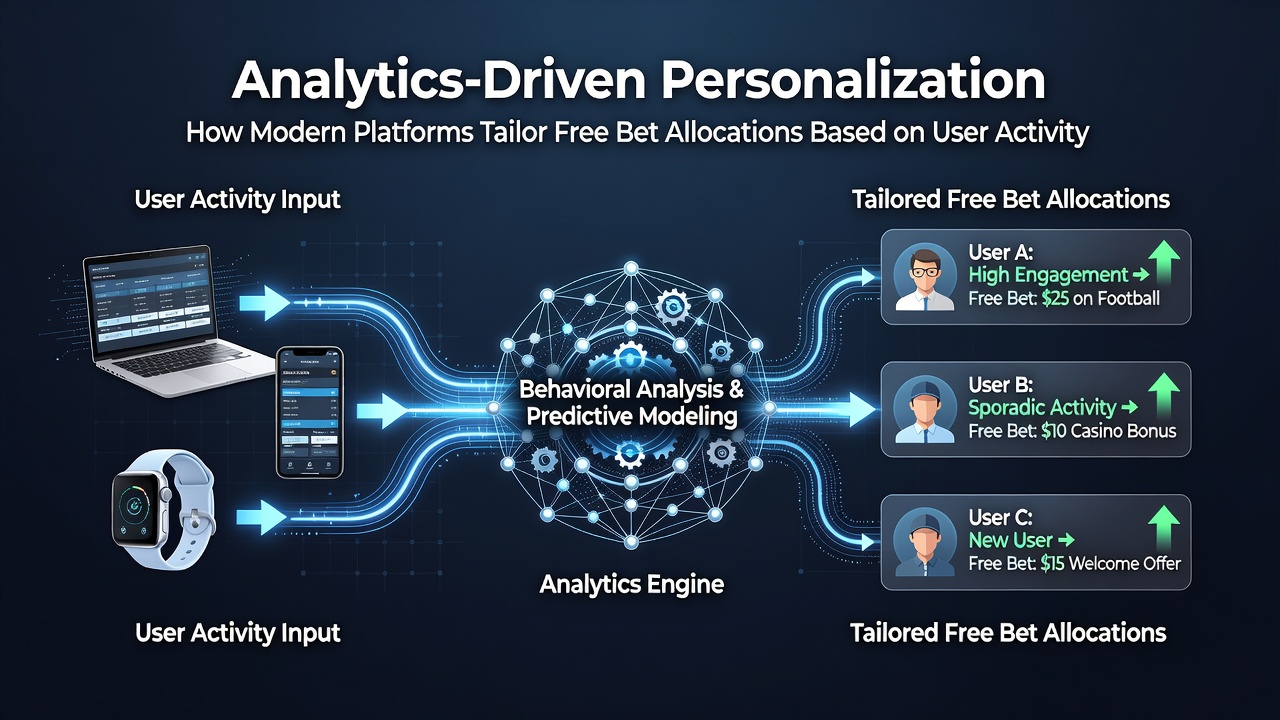
Algorithms process these signals in real time to adjust free bet values and conditions, matching higher allocations to users who demonstrate loyalty through repeated deposits in certain categories. A user who places multiple bets on basketball during evening hours, for instance, might receive a free bet credit sized to that sport's typical wager range, whereas a gaming participant logging extended sessions on table games could see offers linked to those mechanics instead. This matching occurs because systems apply clustering techniques that group historical data points and forecast future engagement levels based on prior sequences.
Platforms update these models continuously as new activity arrives, which means allocations evolve with shifts in user preferences rather than remaining static across months. Figures from industry reports indicate that personalization engines now incorporate multi-sport and cross-game data streams simultaneously, allowing a single profile to trigger sports-related free bets after gaming activity peaks or vice versa.
Application in Sports Betting Scenarios
In sports environments, activity patterns such as frequent checks on live odds or consistent participation in accumulator bets inform the type of free bet presented next. Systems recognize when users favor certain teams or events and route allocations accordingly, often timing the offers to coincide with upcoming fixtures that align with established habits. Data shows this method increases the likelihood that recipients will engage with the allocated credit because it mirrors their documented interests.
Integration with Gaming Activity Patterns
Gaming platforms apply similar logic by monitoring patterns like play duration on video slots versus card tables and then calibrating free bet or bonus allocations to those observed preferences. Users who alternate between sports and casino products generate combined datasets that algorithms use to create hybrid offers spanning both areas. According to American Gaming Association materials on digital trends, these cross-category insights help operators refine allocation strategies without requiring manual intervention for each account.
Seasonal factors also enter the calculations, with models adjusting for event calendars in sports and promotional cycles in gaming to maintain relevance. In June 2026 observers noted increased emphasis on mobile session data, where shorter but more frequent interactions influenced smaller, more frequent free bet distributions compared with desktop patterns.
Technical Infrastructure Supporting Personalization
Backend systems employ cloud-based analytics pipelines that handle millions of data points daily, applying decision trees and neural networks to determine allocation parameters such as credit amount, validity period, and eligible markets. External links to research repositories like those maintained by the Australian Gambling Research Centre provide additional context on how behavioral indicators translate into offer customization across jurisdictions. These infrastructures maintain audit trails that record every personalization decision for compliance verification.
Real-time dashboards allow platform teams to monitor aggregate trends while individual user models operate autonomously, reducing latency between activity detection and offer delivery. Patterns involving deposit frequency combined with withdrawal ratios further refine risk assessments embedded in the allocation logic.
Conclusion
Analytics-driven personalization continues to shape how platforms distribute free bets by grounding decisions in verifiable user activity across sports and gaming domains. The combination of historical pattern recognition, real-time updates, and cross-category data integration produces allocations that reflect documented behaviors rather than generic distributions. As datasets expand and modeling techniques advance, the precision of these systems is expected to increase, supporting more granular tailoring while operating within established technical and regulatory frameworks.