Charting Algorithm-Driven Offer Personalization Across Virtual Prediction Platforms and Their Ties to Calendar-Driven Events
Bianca Keller · Jul 30, 2026
Charting Algorithm-Driven Offer Personalization Across Virtual Prediction Platforms and Their Ties to Calendar-Driven Events
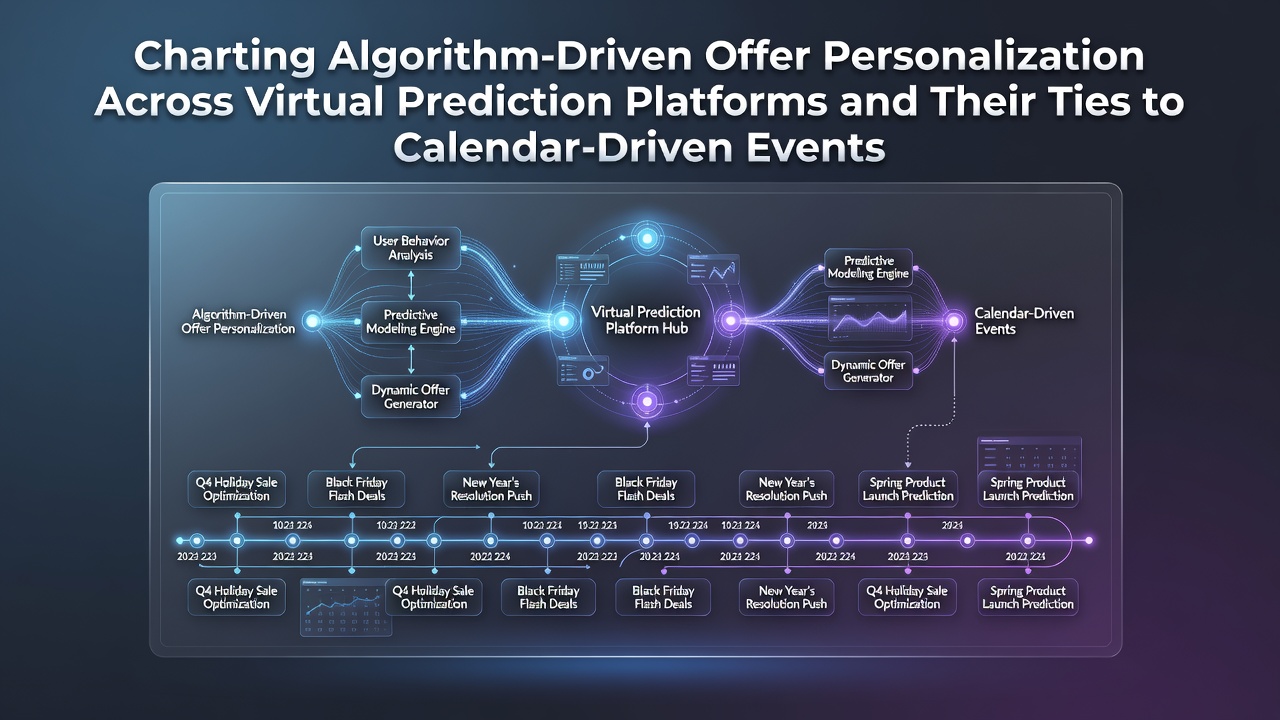
Virtual prediction platforms rely on algorithms that process user data to generate tailored offers, and these systems align closely with calendar-driven events such as major tournaments, seasonal shifts, and international competitions that draw predictable spikes in engagement.
Core Mechanisms Behind Algorithmic Personalization
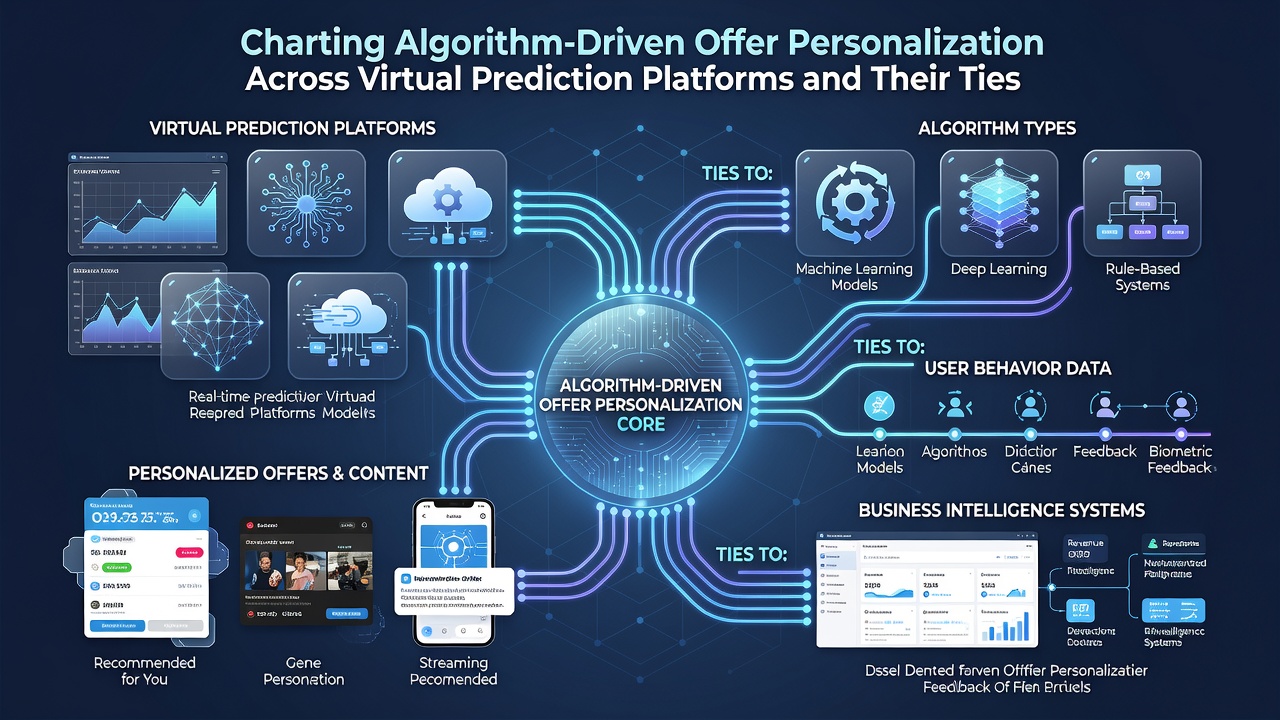
Algorithms collect inputs including past prediction patterns, session durations, and response rates to previous promotions, then apply machine learning models to forecast which offers will match individual user profiles while events unfold on fixed dates. Data indicates that platforms adjust parameters for variables like event type and regional time zones, which allows the systems to scale personalization across thousands of accounts simultaneously without manual intervention each time a new fixture appears on the calendar.
Integration With Calendar Milestones
Calendar-driven events create recurring windows where prediction activity intensifies, and algorithms detect these patterns through historical datasets that span multiple years. Researchers at institutions studying digital engagement have observed that offers tied to summer competitions receive higher uptake when they incorporate timing elements such as pre-event bonuses or progressive rewards that build toward peak dates. In July 2026, platforms are expected to recalibrate models around the final stages of the FIFA World Cup, which runs across North American venues and generates concentrated interest from global audiences during that month.
Data Sources and Model Training
Platforms train models on aggregated behavioral metrics while maintaining compliance with data protection standards set by regional authorities. According to the European Gaming and Betting Association, operators increasingly incorporate real-time signals from live event calendars to refine offer timing, which reduces latency between user action and personalized response. Models also factor in external variables like weather patterns for outdoor events or broadcast schedules that influence peak login periods, creating layered predictions that adapt as dates approach.
One study revealed that segmentation by user cohort improves accuracy when algorithms link offer types to specific calendar clusters, such as midweek fixtures versus weekend marathons. Observers note that virtual platforms handling simulated or predictive environments apply the same logic, mapping user preferences onto recurring event cycles rather than static product catalogs.
Regional Variations in Implementation
Different jurisdictions impose distinct requirements on how platforms may use calendar data for personalization. Reports from the International Center for Responsible Gaming highlight that Canadian and Australian frameworks emphasize transparency in algorithmic decision-making, prompting operators to document how event dates influence offer distribution. These rules affect everything from notification frequency to the scope of variables an algorithm may consider when matching an offer to a user profile during high-traffic periods.
Platforms operating across borders often maintain separate model versions to satisfy local calendar sensitivities, such as national holidays that coincide with major prediction events. This modular approach lets systems preserve core logic while swapping in region-specific weights that reflect cultural or regulatory calendars.
Performance Metrics and Adjustment Cycles
Key performance indicators tracked by these platforms include conversion rates per event window, retention curves following offer delivery, and churn signals that emerge after calendar peaks subside. Teams review these metrics at regular intervals, then retrain algorithms to account for shifts in user behavior that appear tied to particular months or recurring fixtures. Evidence suggests that iterative updates performed after each major event cycle produce measurable lifts in engagement consistency across subsequent calendar periods.
Conclusion
Algorithm-driven personalization on virtual prediction platforms operates through continuous alignment with calendar-driven events, drawing on structured data inputs and region-specific constraints to deliver offers that correspond to predictable activity surges. As events such as the 2026 FIFA World Cup approach in July, these systems will process additional timing layers to maintain relevance, while regulatory frameworks shape the boundaries within which models evolve. The interplay between algorithmic logic and fixed dates remains a central operational feature across the sector.