Charting Operator Data Models Behind Tiered Reward Allocation for Accumulator Bets in Football and Exacta Wagers During British Racing Downtimes
Sage Russell · Jun 25, 2026
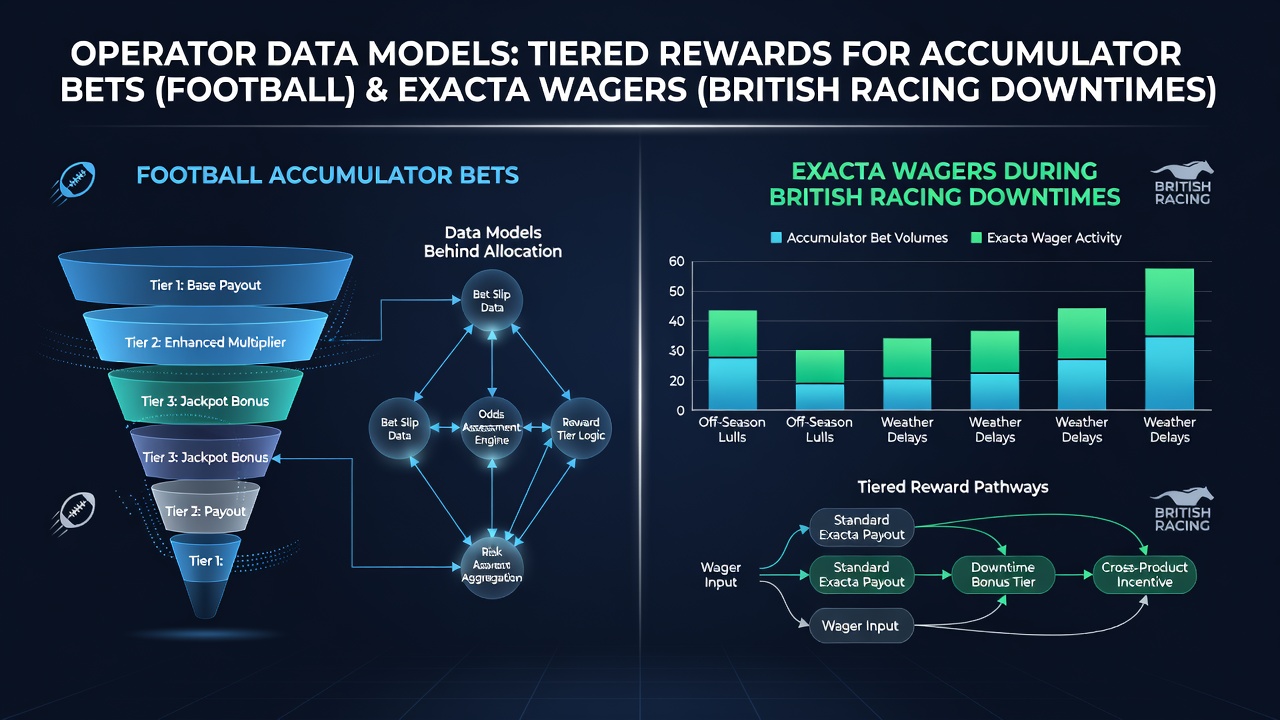
Charting Operator Data Models Behind Tiered Reward Allocation for Accumulator Bets in Football and Exacta Wagers During British Racing Downtimes
Operators track vast datasets when structuring tiered rewards that apply to accumulator bets in football alongside exacta wagers during periods when British racing calendars thin out, and these models integrate variables such as historical stake volumes, customer segmentation scores, and cross-sport engagement rates to determine allocation tiers. Research from the University of Nevada, Las Vegas Center for Gaming Research indicates that predictive algorithms process inputs including frequency of multi-leg selections and payout ratios, while seasonal gaps in racing fixtures prompt shifts toward football products to sustain activity levels.
Those who examine these frameworks note that tier progression often hinges on cumulative metrics compiled over rolling windows of three to six months, where accumulators with four or more legs receive weighted scoring that elevates users into higher reward brackets once thresholds for total turnover and success frequency are met. Exacta combinations, defined by selecting first and second place finishers in precise order, enter the same models during downtimes because operators adjust payout multipliers and bonus credits based on reduced race volumes, which data logs show typically occur between major festival dates and winter scheduling lulls.
Core Components of Operator Data Architectures
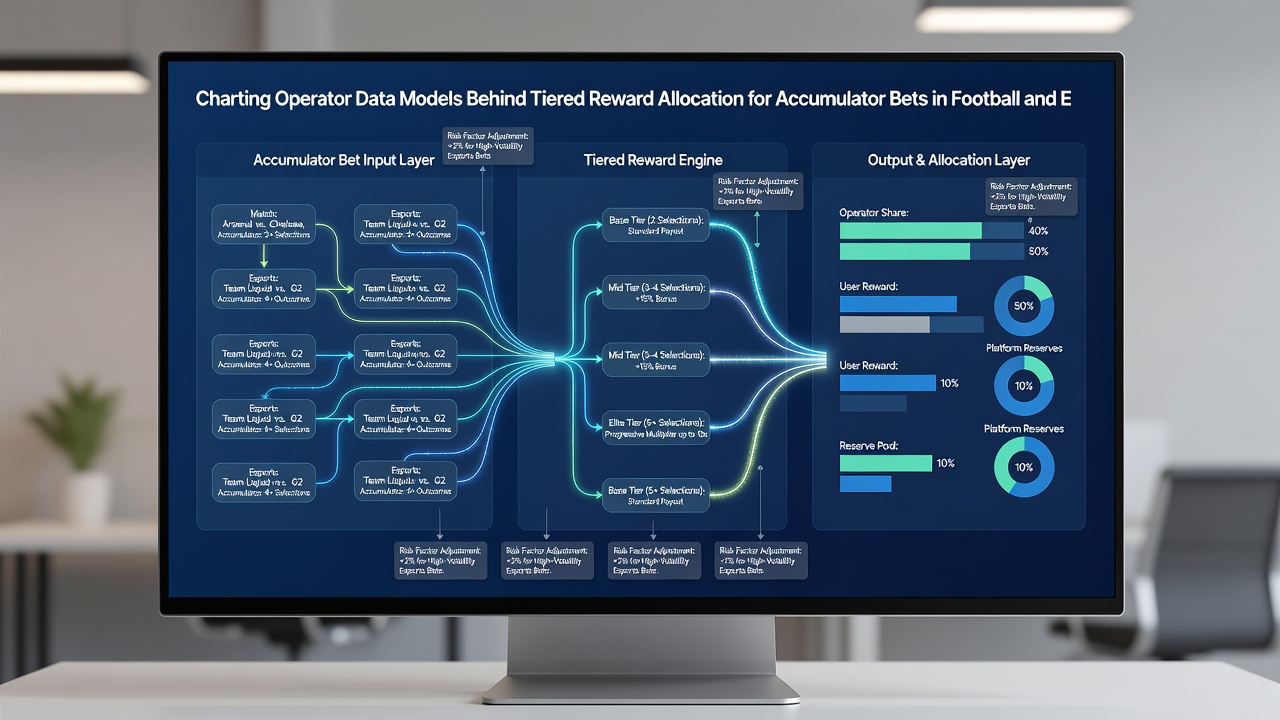
Analysts map customer profiles through clusters derived from betting histories, where variables encompass average stake per accumulator, conversion rates on exacta tickets, and migration patterns when racing events pause, and these clusters feed machine learning layers that forecast lifetime value adjustments for each tier. Observers note that models incorporate real-time feeds from live odds engines to recalibrate reward percentages dynamically, ensuring that football accumulators maintain competitive edge when exacta opportunities contract during extended breaks in the British calendar.
Figures from industry reports compiled by the European Gaming and Betting Association reveal that operators allocate roughly 15 to 25 percent of promotional budgets to tiered structures covering these bet types, with allocation logic prioritizing users who demonstrate balanced activity across both sports during transition periods. Data pipelines aggregate anonymized transaction records to identify patterns such as increased accumulator complexity when exacta liquidity dips, allowing systems to trigger automatic tier upgrades that unlock enhanced odds or cashback percentages calibrated to individual risk profiles.
Allocation Logic for Accumulator Structures in Football
Tiered systems assign bronze, silver, and gold levels according to tracked metrics that include the number of successful accumulator legs completed within monthly cycles, and operators apply uplift factors to base rewards when football schedules intensify to offset quieter racing intervals. Models weigh factors like average odds per leg alongside total stake distribution, which enables precise forecasting of reward liabilities while maintaining house margins across multi-outcome selections.
One analysis of operator datasets showed that accumulators involving Premier League and European fixtures often receive priority weighting during racing downtimes because engagement data logs higher completion rates compared to single-sport focus, prompting automated adjustments in reward tiers that scale cashback from 5 percent at entry levels to 15 percent for top segments. These calculations run through decision trees that factor in external variables such as fixture congestion periods and weather impacts on racing availability.
Handling Exacta Wagers Amid Seasonal Racing Gaps
During British racing downtimes that extend into early summer months including June 2026 projections for all-weather and flat season transitions, exacta models redirect emphasis toward paired outcomes from remaining meetings or international cards, and operators integrate these into unified tier frameworks alongside football accumulators to preserve continuity in reward distribution. Segmentation algorithms flag users with prior exacta volume and route targeted incentives that adjust payout structures based on reduced field sizes typical in off-peak schedules.
Systems process exacta-specific data points such as horse form ratings combined with jockey statistics to generate tier eligibility scores, which then intersect with accumulator tracking to produce hybrid reward offers that activate when racing density falls below baseline thresholds. Researchers have documented cases where these intersections yield compounded benefits for users maintaining activity across both bet categories, with models recalibrating every 24 to 48 hours to reflect live participation shifts.
Integration of Cross-Sport Metrics and Future Projections
Unified data platforms consolidate inputs from football and racing feeds into single dashboards that operators consult when refining tier boundaries, and this integration supports scenario modeling for anticipated downtimes where exacta liquidity contracts while accumulator demand rises. Patterns observed in historical logs demonstrate that users crossing between these products during gaps receive accelerated tier movement, driven by correlation coefficients calculated across datasets spanning multiple seasons.
Projections for June 2026 indicate continued refinement of these models as operators incorporate additional variables like player injury tracking for football and track condition forecasts for racing, which feed into reward allocation engines designed to stabilize engagement. External benchmarks from regulatory bodies in other jurisdictions further inform calibration techniques that balance promotional outlays against retention outcomes across varied sporting calendars.
Conclusion
Operator data models for tiered rewards in these areas rely on interconnected analytics that balance accumulator complexity in football with exacta precision during British racing intervals, creating allocation frameworks that adapt through continuous data ingestion and segmentation updates. Such systems sustain structured incentives by aligning reward tiers with observed behavioral shifts, ensuring consistent application across seasonal fluctuations without reliance on isolated sport focus.