From Sign-Up to Steady Play: Tracing the Journey of New User Incentives in Britain's Betting Industry
Jakob Becker · Aug 22, 2026
From Sign-Up to Steady Play: Tracing the Journey of New User Incentives in Britain's Betting Industry
The Entry Point: Registration and Welcome Structures
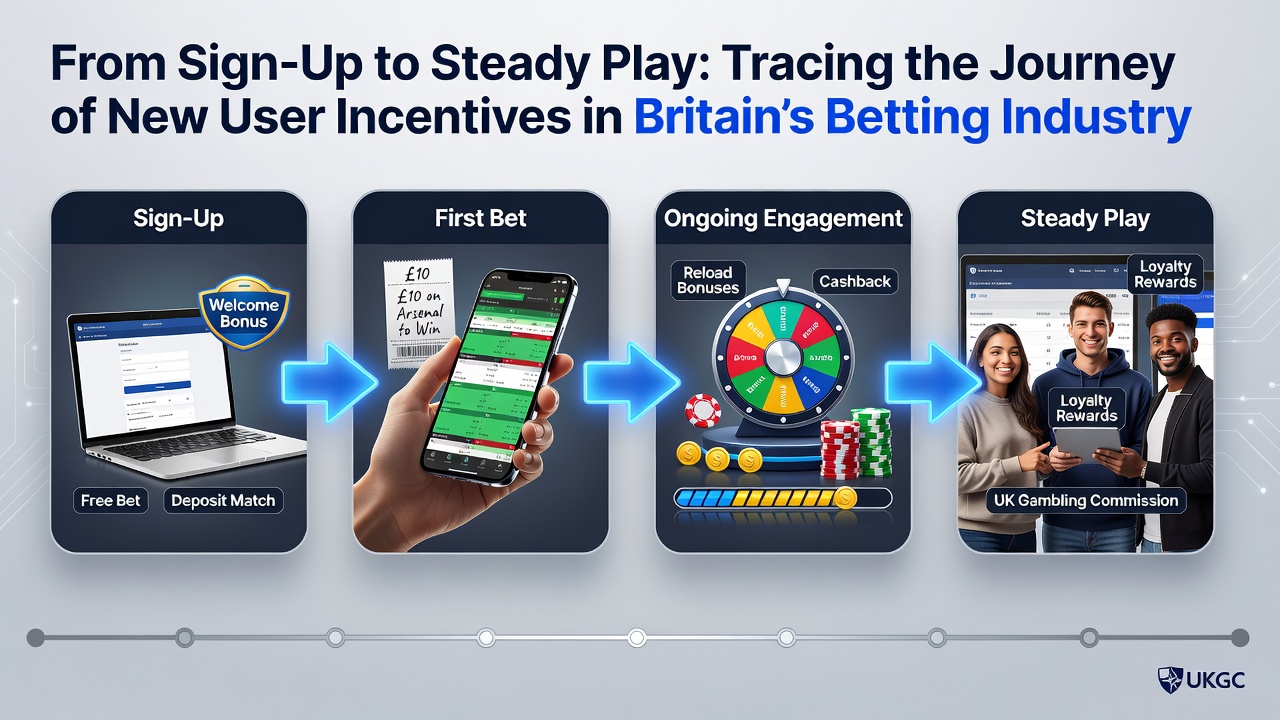
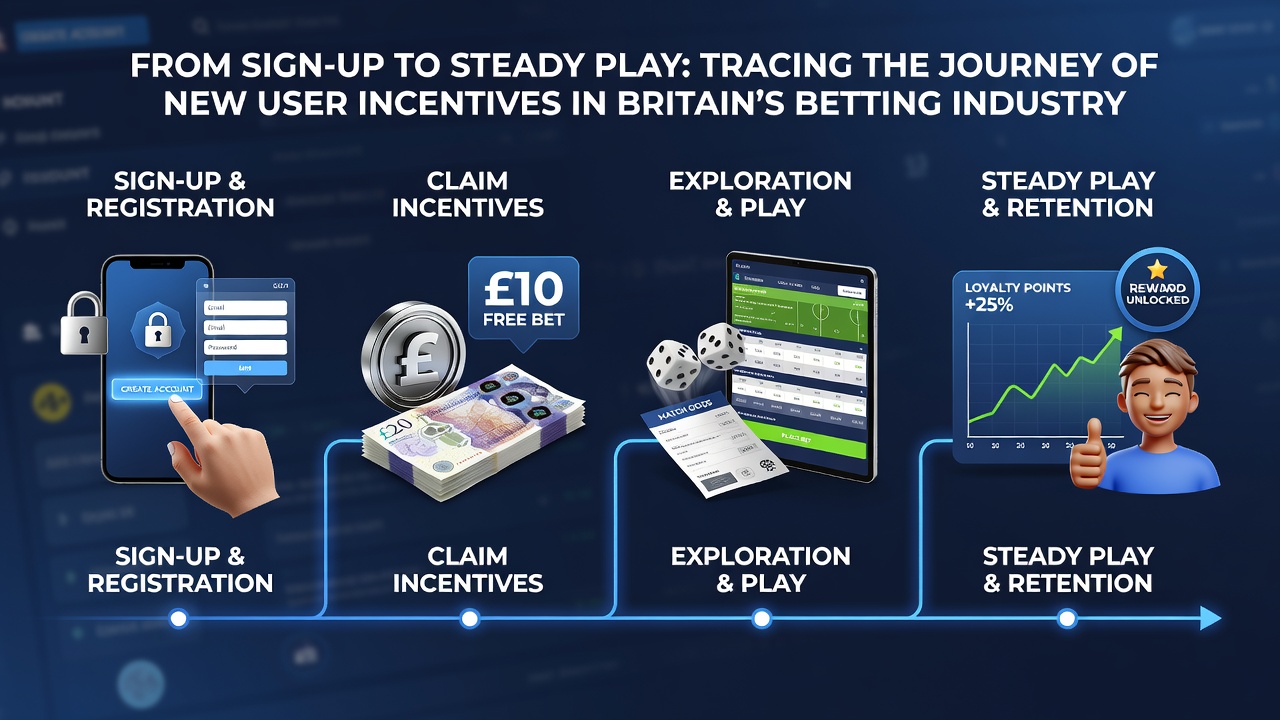
British betting platforms structure initial incentives around the registration phase, where users complete basic account creation and verification steps before accessing any offers. Data from industry analyses shows these entry-level promotions typically include matched deposits or free bet credits that activate once users fund accounts and place qualifying wagers. Observers note that operators time these offers to align with major sporting calendars, which creates immediate engagement opportunities right after sign-up.
Verification processes play a central role here because platforms must confirm user details under existing rules before releasing funds. Research indicates that streamlined identity checks, often completed within minutes via app uploads, speed the transition from registration to active play. Those who've examined operator patterns find that clear terms on minimum deposits and odds requirements help users move forward without delays.
Activation and First Interactions
Once accounts activate, incentives shift toward first deposits and initial bets, where operators credit bonuses automatically upon meeting thresholds. Figures reveal that many platforms in Britain apply these credits within 24 hours, allowing users to test features like bet builders or enhanced odds on football and racing events. What's interesting is how these early rewards encourage exploration across different bet types rather than limiting activity to single markets.
Users frequently encounter requirements such as wagering multiples on credited amounts before withdrawals become available. Studies found that operators communicate these conditions through account dashboards, which reduces confusion during the early stages. In August 2026, updated platform interfaces incorporated clearer progress trackers for bonus usage, according to reports from European gaming associations.
Transitioning Toward Repeat Engagement
As new users complete initial promotions, incentives evolve into retention tools that reward consistent activity across multiple sessions. Platforms introduce deposit matches or cashback on losses during this phase, which data shows helps maintain momentum after the welcome period ends. Experts have observed that these offers often tie into specific events like midweek football fixtures or all-weather racing meetings to sustain interest.
Operators segment users based on activity levels, tailoring follow-up incentives to individual patterns rather than applying blanket promotions. Research indicates this approach increases the likelihood of users progressing into regular play cycles. Those monitoring industry trends note that integration with casino-style games alongside sports betting creates additional pathways for continued engagement.
Building Toward Steady Play Patterns
Steady play emerges when incentives transition from one-time bonuses to ongoing structures such as loyalty points or tiered rewards. British platforms track cumulative activity to unlock higher reward levels, with points convertible to free bets or exclusive access features. According to a Responsible Gambling Council analysis, these systems encourage longer-term participation while incorporating responsible play reminders at key milestones.
Users who reach this stage often receive personalized offers based on past wager types and frequencies. Evidence suggests that cross-promotions linking sports and gaming sections help diversify activity without requiring separate accounts. In practice, operators monitor engagement metrics to adjust incentive frequency and value, ensuring alignment with user behavior over months rather than weeks.
Regulatory Context and Industry Adjustments
Britain's betting sector operates within frameworks that influence how incentives are presented and redeemed. Platforms must display terms prominently and avoid misleading claims, which shapes the design of sign-up journeys from the outset. A Australian gambling research report highlights similar transparency measures in other markets, showing how clear disclosure affects user progression rates across regions.
Industry bodies continue to review incentive structures as user data accumulates. Observers point to shifts toward longer validity periods on bonuses in recent years, which allows more flexibility during the move from new user status to established patterns. These adjustments reflect ongoing efforts to balance acquisition goals with sustained activity metrics.
Conclusion
The progression from initial sign-up incentives to steady play in Britain's betting industry follows defined stages that operators refine through data and compliance requirements. Registration triggers welcome structures, activation leads to deposit-based rewards, and ongoing activity unlocks retention tools that support repeated engagement. Figures from multiple sources demonstrate how these pathways adapt to user behaviors while maintaining regulatory alignment. This journey continues to evolve with platform updates and market observations through 2026 and beyond.