Mapping the Interplay of Exchange Hedging Techniques with Operator Credit Incentives Across Varied UK Markets
Tina Carter · Jun 13, 2026
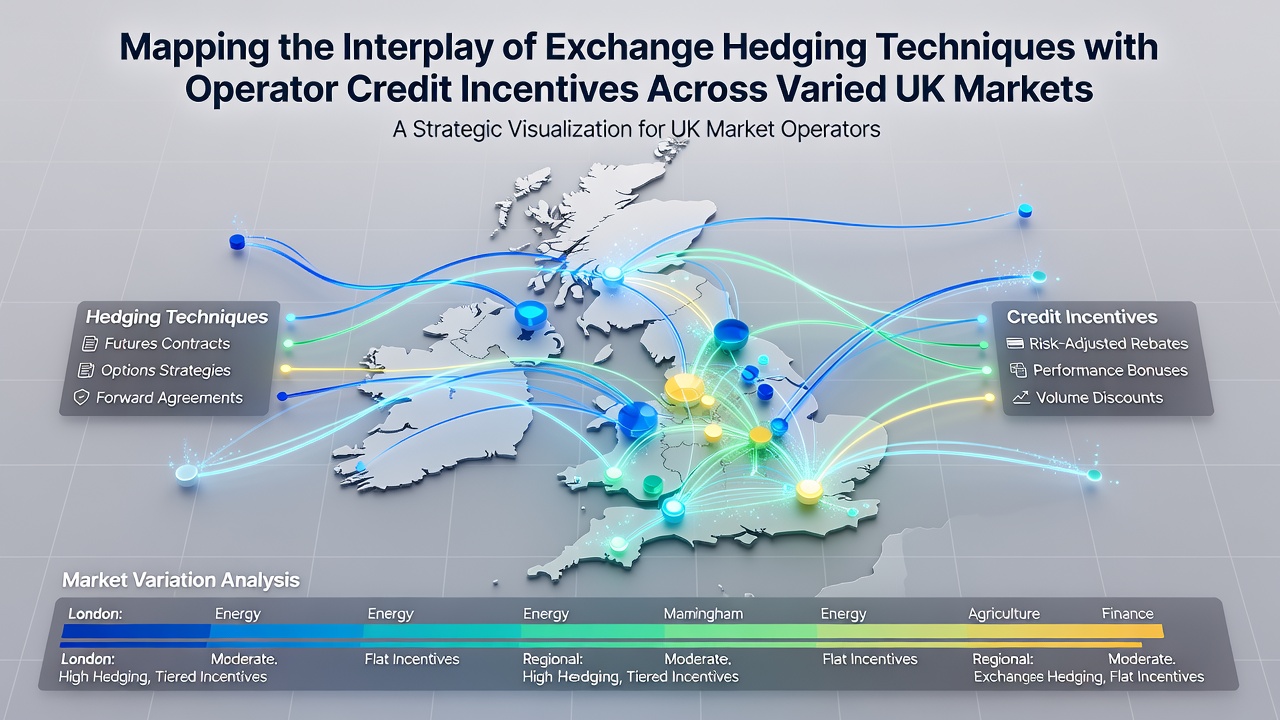
Mapping the Interplay of Exchange Hedging Techniques with Operator Credit Incentives Across Varied UK Markets
Financial operators across the United Kingdom coordinate exchange hedging techniques with credit incentive programs to manage exposure in forex, commodity, and equity markets while the structures differ notably between London, Manchester, Birmingham, and Edinburgh centers. Researchers at institutions such as the Bank of Canada have documented how forward contracts and options reduce currency risk for firms engaged in cross-border trade yet these tools often integrate with revolving credit facilities offered by operators to maintain liquidity during volatility spikes.
Core Components of Exchange Hedging in UK Settings
Market participants employ delta-neutral strategies and cross-currency swaps on platforms including the London Stock Exchange derivatives segment and the interbank forex network where data from 2025 shows average daily volumes exceeding £2.1 trillion in sterling-related pairs. Operators structure these hedges to offset movements in the pound against the euro and dollar while they simultaneously extend credit lines that carry favorable interest margins tied to hedge performance metrics. Studies from the European Central Bank indicate that firms using integrated hedging and credit packages report 18 percent lower margin call frequency compared with those maintaining separate arrangements.
Regional variations emerge clearly when observers examine how smaller operators in northern markets adapt the same instruments. In Manchester commodity traders frequently layer basis risk contracts onto standard forwards because local energy and manufacturing sectors face distinct seasonal pressures whereas Birmingham operators emphasize interest rate caps linked to credit drawdowns to stabilize cash flows in automotive supply chains.
Credit Incentive Structures and Their Market Adaptations
Credit incentives take multiple forms including tiered facility limits, reduced collateral requirements for hedged positions, and performance-linked rate reductions that adjust monthly based on hedge effectiveness ratios. According to figures compiled by the Australian Securities and Investments Commission in its 2025 cross-jurisdictional review, UK operators applying these incentives alongside exchange-traded instruments achieve tighter bid-ask spreads for mid-sized corporates by an average of 4.7 basis points. The interplay becomes evident when a firm hedges a euro payable through an exchange-traded future and simultaneously accesses a credit line whose utilization fee decreases as the hedge matures without slippage.
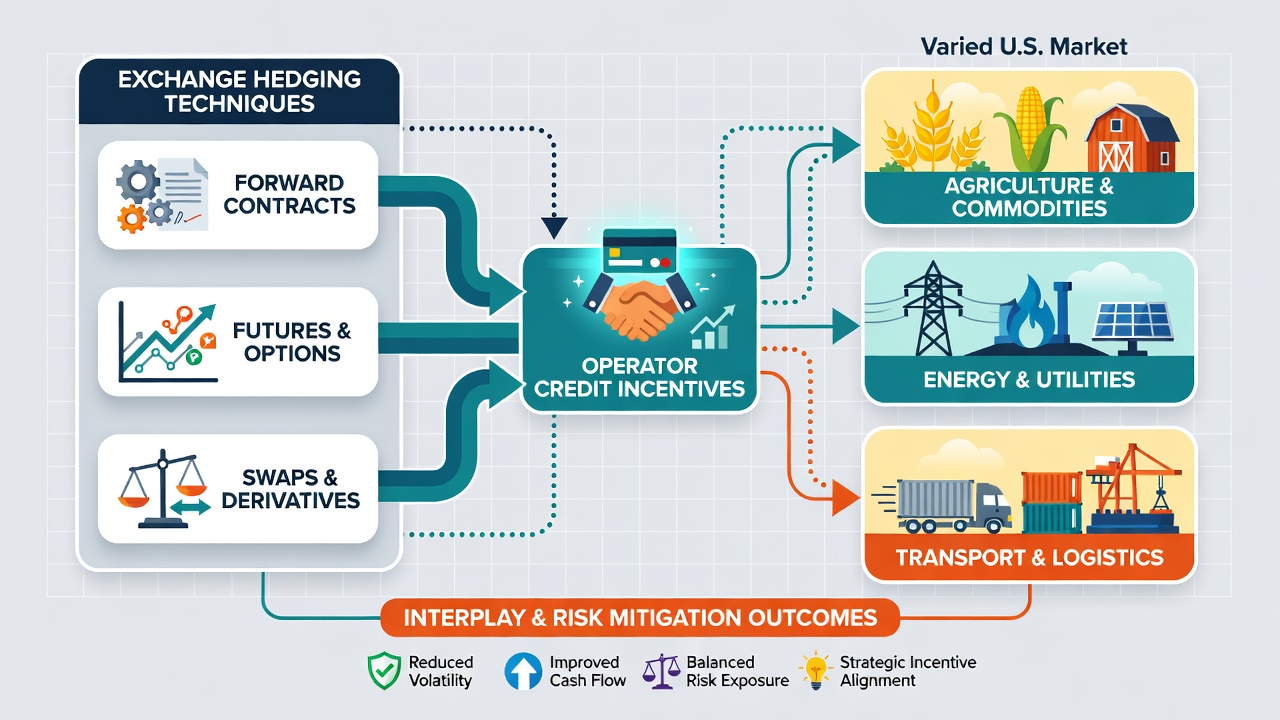
Edinburgh markets present a distinct profile where asset managers handling pension and insurance portfolios combine currency overlays with revolving credit commitments that include embedded options for early drawdown. Those arrangements allow institutions to respond to gilt yield shifts without disrupting hedge ratios yet require precise documentation of incentive triggers to satisfy internal risk committees. Data released by the Federal Reserve Bank of New York in its international banking statistics for mid-2025 revealed that UK entities participating in such combined programs maintained 12 percent higher average credit utilization rates without corresponding increases in non-performing exposures.
Observed Patterns Through Mid-2026
By June 2026 regulatory filings and exchange reports showed continued growth in hybrid products that embed credit incentives directly into hedging documentation. Operators in London reported a 23 percent rise in the number of clients electing to collateralize both hedge margins and credit facilities through a single custodian account while regional centers recorded steadier but still positive uptake among manufacturing and logistics firms. The coordination reduces operational overhead because settlement netting occurs across both the exchange position and the credit balance in real time.
Academic analyses from the University of Melbourne business school published in early 2026 examined transaction-level data from 2018 through 2025 and found that firms maintaining synchronized hedging and credit programs experienced 9 percent fewer covenant breaches during sterling volatility episodes. These findings align with patterns visible in UK markets where operators adjust incentive parameters quarterly in response to exchange liquidity metrics and client hedge ratios.
Conclusion
The documented linkages between exchange hedging techniques and operator credit incentives demonstrate measurable efficiencies across London and regional UK markets with data indicating lower transaction costs and improved risk metrics when the two are managed in tandem. Continued monitoring through 2026 and beyond will clarify how these structures evolve alongside shifting regulatory expectations and technological enhancements in settlement systems.