Seasonal Algorithm Tweaks Reshaping Payout Structures for British Soccer Leagues and Equine Circuits
Tina Carter · Jun 6, 2026

Seasonal Algorithm Tweaks Reshaping Payout Structures for British Soccer Leagues and Equine Circuits
Bookmakers operating across Britain have refined their algorithmic systems to align payout structures with seasonal patterns in soccer leagues and equine racing events, and data from industry reports shows these modifications affect how odds and returns are calculated during peak periods. Researchers at institutions like the University of Nevada have documented similar trends in regulated markets, where automated models respond to fluctuations in betting volume and event calendars. Observers note that June 2026 marks a key point for several operators implementing updates ahead of the new football season and summer racing fixtures.
Core Mechanics Behind Seasonal Adjustments
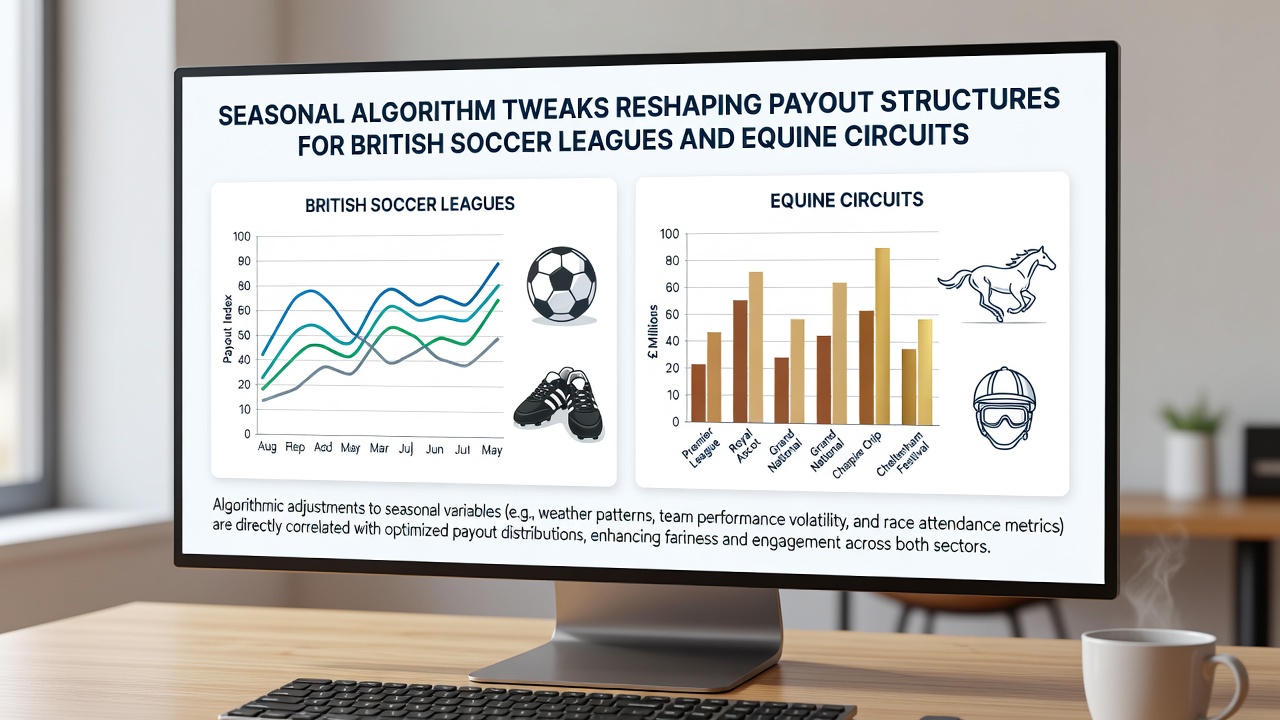
Algorithms employed by betting platforms process historical data on match attendance, weather conditions, and participant performance to recalibrate payout multipliers, while they integrate variables such as fixture congestion in the Premier League and fixture lists at courses like Ascot or Newmarket. Those who've analyzed platform documentation find that these systems often apply tiered weighting during transition months, which connects spring racing schedules with the tail end of domestic football campaigns. Figures from the European Gaming and Betting Association reveal that operators in multiple jurisdictions report measurable shifts in return-to-player percentages when seasonal inputs are activated, and this occurs without altering base regulatory frameworks.
Effects on British Soccer League Payout Models
During the winter months when Premier League and Championship schedules intensify, algorithmic tweaks frequently expand accumulator bonuses and adjust single-match margins to reflect higher liquidity, whereas summer periods see reduced emphasis on live in-play features as focus moves toward international tournaments. Data indicates that teams advancing deep into cup competitions trigger secondary recalibrations that widen place-payout options for lower-ranked sides, and one study from the National Council on Problem Gambling in the United States highlighted parallel patterns in North American sportsbooks where volume-based algorithms mirror these behaviors. Platforms integrate real-time inputs from league tables and injury reports, which allows the models to redistribute risk across multiple bet types while maintaining compliance with local licensing requirements.
Shifts Observed in Equine Racing Circuits
Equine events experience parallel modifications, particularly around major festivals such as Cheltenham and Royal Ascot, where algorithms elevate each-way terms and introduce conditional bonuses tied to field size and ground conditions. Those monitoring industry trends point out that flat racing seasons prompt different weighting than National Hunt campaigns, since the former often coincides with higher casual participation and the latter aligns with more specialized wagering pools. Research published through the Canadian Centre on Substance Use and Addiction shows how similar data-driven adjustments appear in thoroughbred markets overseas, confirming that seasonal volume spikes drive these structural changes across borders. Operators apply these updates in phases, beginning with pre-season testing in late spring before full rollout in early summer.
Integration of Cross-Sport Data Sets
Many platforms now merge soccer and racing datasets within unified algorithmic frameworks, which enables simultaneous adjustments when major football matches overlap with high-profile race meetings. This approach connects metrics like goal expectancy models with pace figures from equine performances, and analysts have observed that such integration produces more stable payout distributions during congested calendar periods. Reports from the Australian Institute of Family Studies indicate that comparable cross-sport modeling occurs in regulated markets there, where operators balance risk across different event types through shared computational layers. The process relies on continuous feedback loops that refine parameters based on actual settlement outcomes rather than static rules.
Regulatory Context and Implementation Timelines
British operators must align these algorithmic changes with existing licensing conditions, yet the technical execution remains internal and subject to periodic audits by independent testing bodies. June 2026 stands out because several firms have scheduled comprehensive reviews of their seasonal modules ahead of the 2026/27 football campaign and the subsequent flat racing season. External oversight from organizations such as the Malta Gaming Authority provides additional verification layers that focus on transparency of payout calculations, and this complements domestic requirements without duplicating oversight functions. Implementation typically follows a staged rollout that begins with simulated environments before live deployment.
Conclusion
Seasonal algorithm refinements continue to influence payout structures across British soccer and equine circuits through systematic incorporation of calendar-driven variables and performance data. Evidence from multiple international sources demonstrates that these adjustments maintain operational consistency while responding to predictable shifts in betting activity. Operators and regulators alike monitor outcomes through established reporting channels, which ensures the systems evolve alongside the events they cover.