Seasonal Promo Timing Strategies Among British Operators During Peak Competition Windows
Henrik Schröder · Jul 9, 2026
Seasonal Promo Timing Strategies Among British Operators During Peak Competition Windows
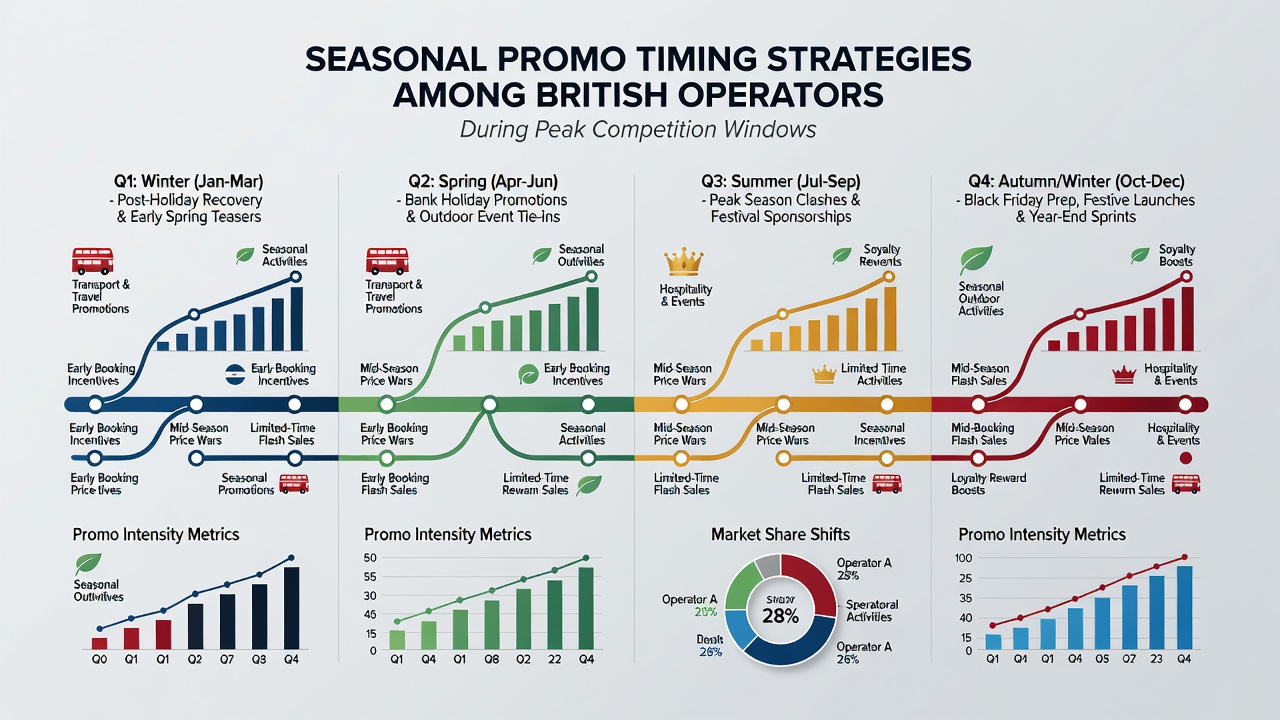
British operators coordinate promotional calendars around major sporting calendars, and data from industry reports shows they concentrate resources on periods when multiple events overlap to maximise engagement without overlapping their own campaigns unnecessarily.
Mapping the Annual Cycle of Competition Windows
Operators track overlapping fixtures across football, horse racing and other sports to identify windows where customer attention peaks, and they adjust release dates for deposit matches or odds boosts accordingly while researchers at academic institutions note that these patterns repeat annually with minor shifts based on fixture releases.
July stands out as a transitional month when pre-season football friendlies begin alongside summer racing festivals, and one study from a Canadian research centre found that operators who launch targeted reload offers in the first two weeks of July capture higher retention rates heading into August fixtures.
Aligning Releases with July 2026 Pre-Season Dynamics
In July 2026 several Premier League clubs schedule international tours and early friendlies, creating a short but intense window before the full season starts, and operators time free bet drops to coincide with these announcement dates rather than spreading them evenly across the month.
Those who've examined operator schedules observe that campaigns often launch on Mondays following weekend racing results, allowing the momentum from one sport to carry into football previews while avoiding direct clashes with competing platforms' midweek casino reloads.
Data-Led Decision Frameworks
Internal analytics teams monitor real-time sign-up volumes and adjust promotion start times within hours of fixture confirmations, and figures from a University of Nevada study on promotional timing indicate that a 48-hour lead time before a high-profile match produces stronger uptake than earlier or later releases.
Operators also review historical performance across similar periods to refine their approach, with some choosing staggered rollouts that begin with app-only boosts before expanding to desktop users two days later to manage server load and maintain consistent offer availability.
Coordinating Across Multiple Verticals
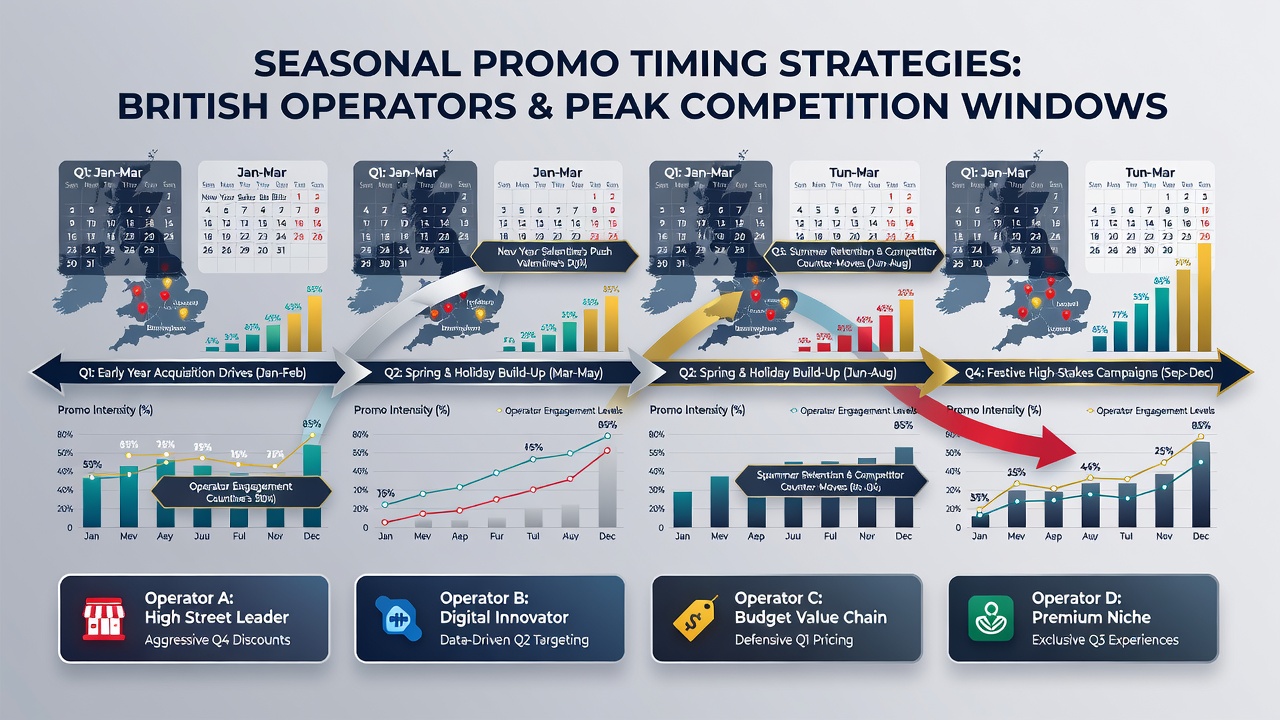
Promotions linking sports and casino products require careful sequencing because customers who engage with one vertical may respond differently to offers in another, and reports from the European Gaming and Betting Association highlight how operators stagger casino deposit matches to follow major racing weekends rather than running them simultaneously with football previews.
What's interesting is how some platforms test small-scale offers during quieter mid-July slots to gather data before scaling successful mechanics into the busier late-month windows when pre-season betting activity increases.
Regulatory and Market Considerations in Timing
Compliance teams review advertising standards and responsible gambling messaging placement before finalising dates, ensuring that campaigns align with broader industry guidelines on clarity and accessibility while still meeting commercial targets during crowded competition periods.
One operator adjusted its entire July 2026 schedule after reviewing fixture congestion data from multiple sports governing bodies, shifting certain boosted odds promotions earlier to avoid clashing with a major international athletics event that drew significant casual betting traffic.
Conclusion
British operators refine seasonal promo timing through ongoing analysis of fixture overlaps, customer response data and regulatory alignment, and this approach allows them to navigate peak competition windows with structured release patterns that support sustained activity across football, racing and casino products throughout the year.