Tiered Incentive Structures: Analyzing Retention Impacts in British Bookmaking Across Diverse Betting Verticals
Tina Carter · Aug 20, 2026
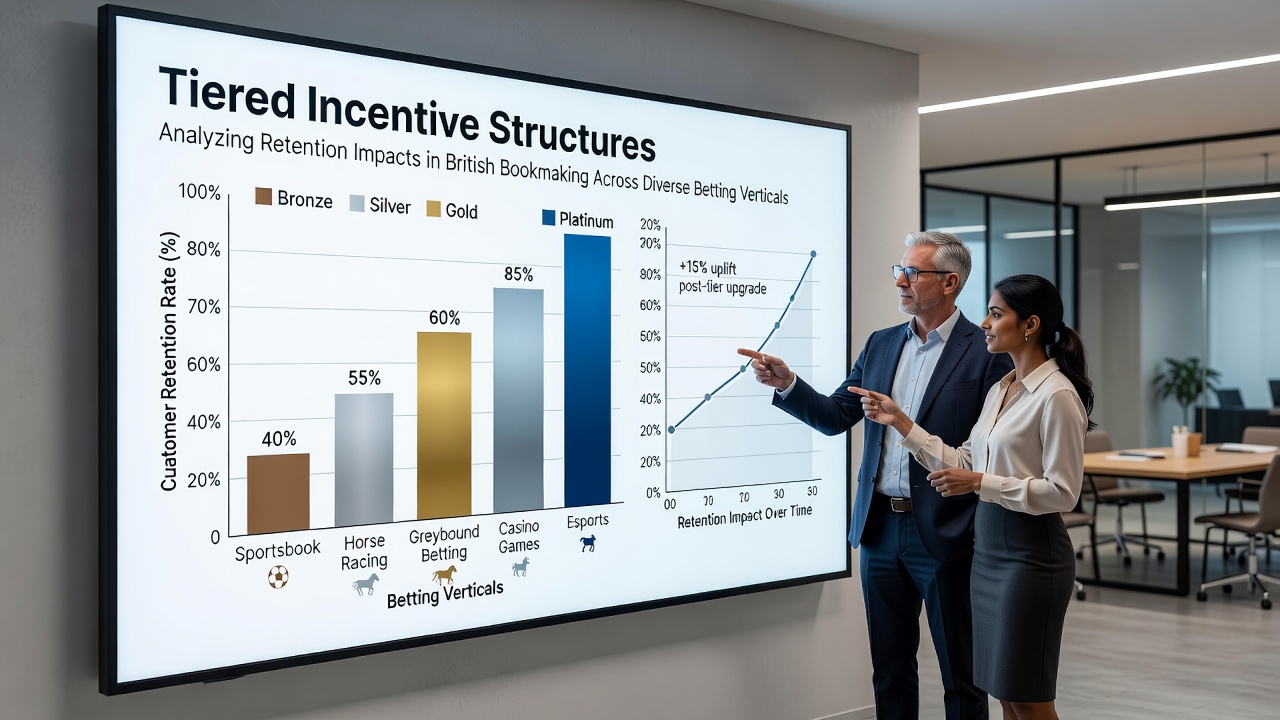
Tiered Incentive Structures: Analyzing Retention Impacts in British Bookmaking Across Diverse Betting Verticals
British bookmaking operators have expanded tiered incentive structures that assign customers to progressive reward levels based on betting volume, frequency, and vertical participation, and these frameworks operate across sports betting, horse racing, and casino offerings. Data from industry reports indicate that such systems track metrics like total stakes placed and active days per month to determine tier progression, which in turn unlocks benefits such as enhanced odds, cashback percentages, and personalized event invitations. Observers note that operators adjust these tiers quarterly to align with seasonal betting patterns, including major football campaigns and racing festivals.
Mechanics of Tier Progression in UK Operations
Operators calculate tier status through algorithmic models that weigh activity across multiple verticals, so a customer placing consistent football wagers alongside occasional casino sessions may advance faster than one focused on a single category. Points accrue at varying rates depending on the product type, with racing bets sometimes earning higher multipliers during flat and jump seasons. Researchers discovered that these models incorporate retention signals such as deposit regularity and withdrawal patterns, allowing operators to predict churn risks and intervene with targeted tier upgrades. In August 2026, several platforms introduced automated notifications that alert users when they near the next level, reducing the administrative burden on customer support teams.
Retention Patterns Across Sports Betting Verticals
Studies from academic institutions reveal that tiered programs correlate with higher repeat participation rates in football and other team sports markets, where customers in elevated tiers show extended account lifespans compared to entry-level users. Those who studied this know that the structure encourages diversification into related verticals, such as moving from pre-match football bets into in-play options or accumulator challenges. Figures released by the Canadian Centre on Substance Use and Addiction highlight similar retention lifts in international markets when operators reward cross-vertical activity, suggesting parallel dynamics may apply within British operations. Yet retention gains appear most pronounced when benefits scale with both stake size and session duration rather than volume alone.
Effects Observed in Horse Racing and Casino Segments
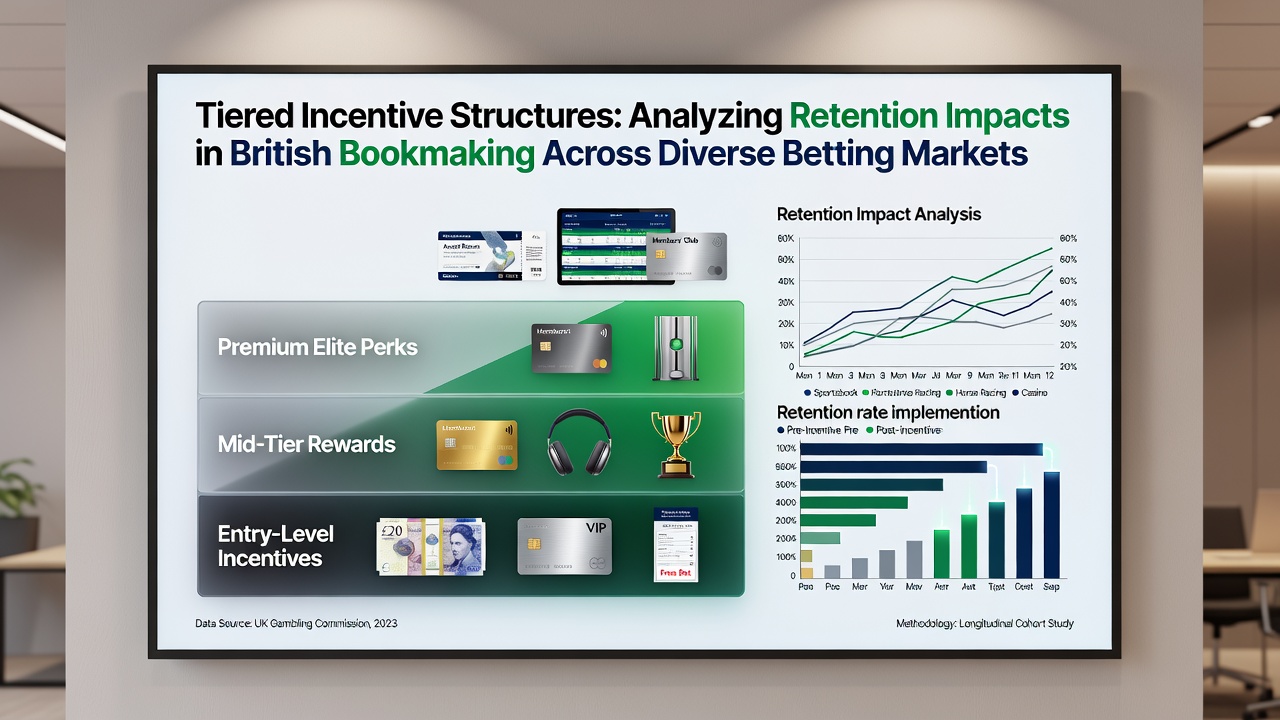
Horse racing customers respond to tiered incentives through increased participation in each-way and place markets, where operators provide tier-specific enhancements such as extra places or reduced commission on exchanges. Retention data shows that mid-tier users maintain activity through quieter midweek racing cards when cashback or free bet allocations activate automatically upon reaching spending thresholds. Casino verticals demonstrate different retention curves, with slot and table game players advancing tiers via time-on-device metrics in addition to wager totals, and this dual measurement produces steadier engagement during off-peak hours. Analysts tracking these patterns report that casino retention strengthens when tiers grant access to exclusive progressive jackpot pools unavailable to lower levels.
Comparative Data Across Betting Categories
Comparative analyses conducted by research groups indicate that combined vertical participation yields stronger retention outcomes than single-category focus, because operators design tier benefits to reward breadth as well as depth. A report issued by the Victorian Commission for Gambling and Liquor Regulation documented elevated loyalty metrics when programs integrated sports, racing, and gaming rewards into unified progress bars. British operators have adopted comparable integrations, resulting in measurable reductions in dormant accounts during transitional periods between major events. What's interesting is that retention impact varies by demographic, with younger users advancing tiers more rapidly through mobile app activity while older cohorts respond better to racing-specific milestones.
Conclusion
Tiered incentive structures continue to shape customer retention across British bookmaking by linking rewards directly to measurable activity patterns in football, racing, and casino environments. Operators refine these frameworks using performance indicators gathered through 2026, and the approach delivers differentiated outcomes depending on how effectively each vertical contributes to overall progression. External research from regulatory bodies in Australia and Canada provides context for evaluating these domestic implementations, confirming that retention improvements stem from consistent, transparent tier mechanics rather than isolated promotional spikes.