UK Regulators Shape Tiered Loyalty Programs Connecting Virtual Sports Payouts and Traditional Racing Payout Adjustments
Jakob Becker · Jul 28, 2026

UK Regulators Shape Tiered Loyalty Programs Connecting Virtual Sports Payouts and Traditional Racing Payout Adjustments
UK regulators have directed attention toward tiered loyalty programs that connect virtual sports payouts with traditional racing payout adjustments, and data from industry monitoring shows operators must recalibrate reward structures to meet compliance standards. These programs operate across multiple betting verticals where points earned from virtual sports events feed into the same tier progression that influences racing bet adjustments, creating unified customer journeys that regulators track for fairness and transparency. Observers note that adjustments in July 2026 reflected updated guidelines requiring clearer disclosure of how virtual outcomes affect real racing bonus multipliers.
How Tiered Structures Integrate Virtual and Traditional Elements
Operators design loyalty tiers so that participation in virtual sports events generates points that carry over to racing wagers, and this linkage means payout percentages on horse races can increase or decrease based on accumulated virtual activity. Research indicates that such integration requires operators to maintain separate ledgers for each product while reporting combined tier status to oversight bodies. Experts have observed that the system allows customers to climb tiers through simulated races yet still receive enhanced place terms on live meetings, and the mechanism demands precise auditing to prevent cross-product manipulation.
Figures reveal that operators adjusted their algorithms in mid-2026 after reviews highlighted discrepancies between virtual sports win rates and the racing payout boosts those wins triggered. The changes ensured that virtual sports results did not automatically inflate traditional racing returns beyond documented risk thresholds, while still preserving customer progression incentives.
Regulatory Requirements Driving Payout Adjustments
Compliance frameworks now stipulate that any loyalty tier granting racing payout adjustments must document the contribution of virtual sports activity in real time, and operators publish these calculations through customer dashboards. According to reports from the European Gaming and Betting Association, such documentation reduces disputes by giving players clear visibility into how their virtual bets influence live racing terms. Those who've reviewed the updated rules note that operators must also cap the percentage uplift any single tier can apply to racing payouts, regardless of virtual sports volume.
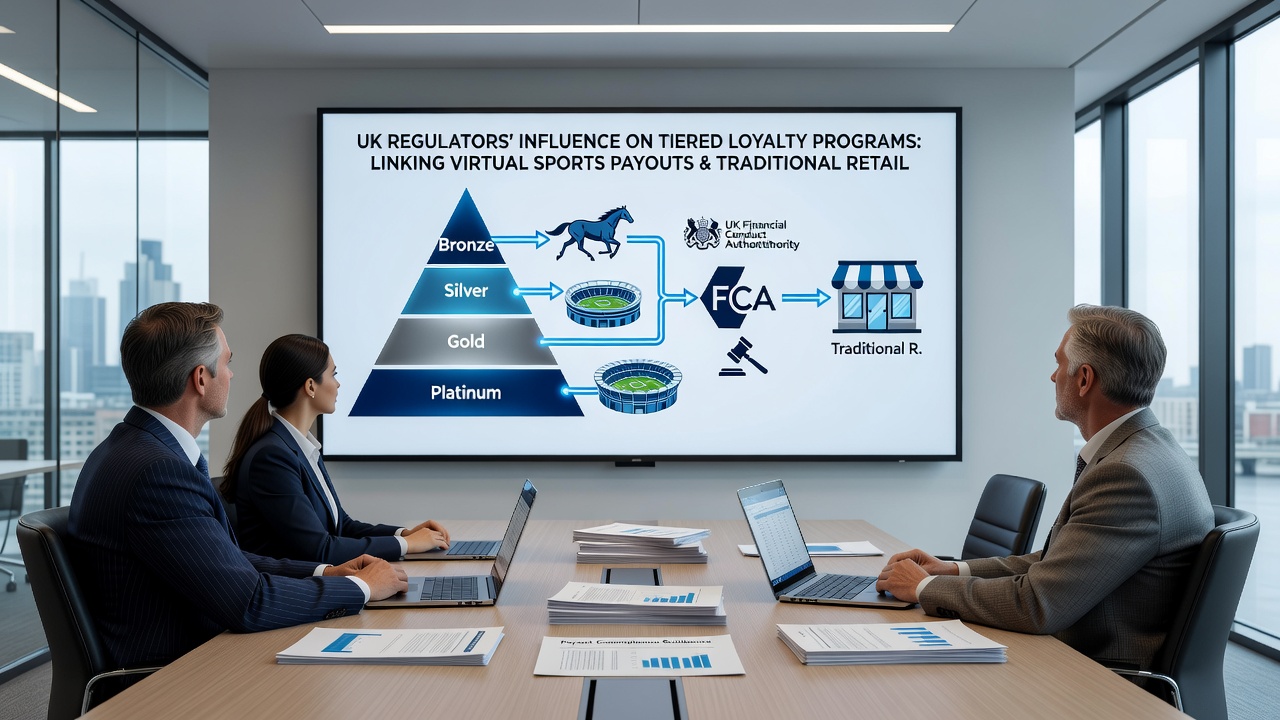
Further guidance issued around July 2026 required operators to separate promotional communications for virtual sports from those promoting racing adjustments, even when both feed the same loyalty tier. This separation prevents the appearance that virtual results directly determine traditional racing outcomes, and it aligns with broader efforts to maintain product integrity across digital and physical betting channels.
Impact on Operator Practices and Customer Data
Operators responded by updating their loyalty engines to flag virtual sports sessions that contribute toward racing tier benefits, and internal audits now occur quarterly to verify compliance with these flags. Studies from the Canadian Centre on Substance Use and Addiction have examined similar cross-product loyalty models in other jurisdictions, and the findings suggest that transparent tier mechanics correlate with higher customer retention when payout adjustments remain clearly linked to verifiable activity.
Operators also introduced tier reset periods that account for both virtual and traditional racing participation, so customers who focus solely on one product do not lose progress earned in the other. Data shows these reset cycles help balance engagement across verticals while satisfying regulatory demands for equitable reward distribution.
Industry Response and Monitoring Tools
Trade associations have developed shared monitoring platforms that aggregate anonymized tier progression data from multiple operators, allowing regulators to spot patterns where virtual sports activity disproportionately drives racing payout changes. These platforms feed into periodic reviews, and the process helps identify operators who may need to recalibrate their point conversion rates between the two product types.
Operators that adjusted their systems ahead of the July 2026 deadlines reported smoother approval processes for new tier features, and they continue to refine how virtual sports win multipliers translate into racing place terms without exceeding permitted thresholds.
Conclusion
The regulatory focus on tiered loyalty programs has produced standardized reporting requirements that link virtual sports payouts to traditional racing adjustments through documented point systems and capped uplifts. Operators now maintain clearer audit trails, separate promotional channels, and balanced reset mechanisms that treat both product categories consistently. These measures, refined through 2026 updates, support ongoing compliance while preserving the integrated customer experience that defines modern loyalty frameworks.