What Data Reveals About Overlapping Incentives in Athletic, Equine, and Entertainment Betting Options
Sage Russell · Nov 6, 2026
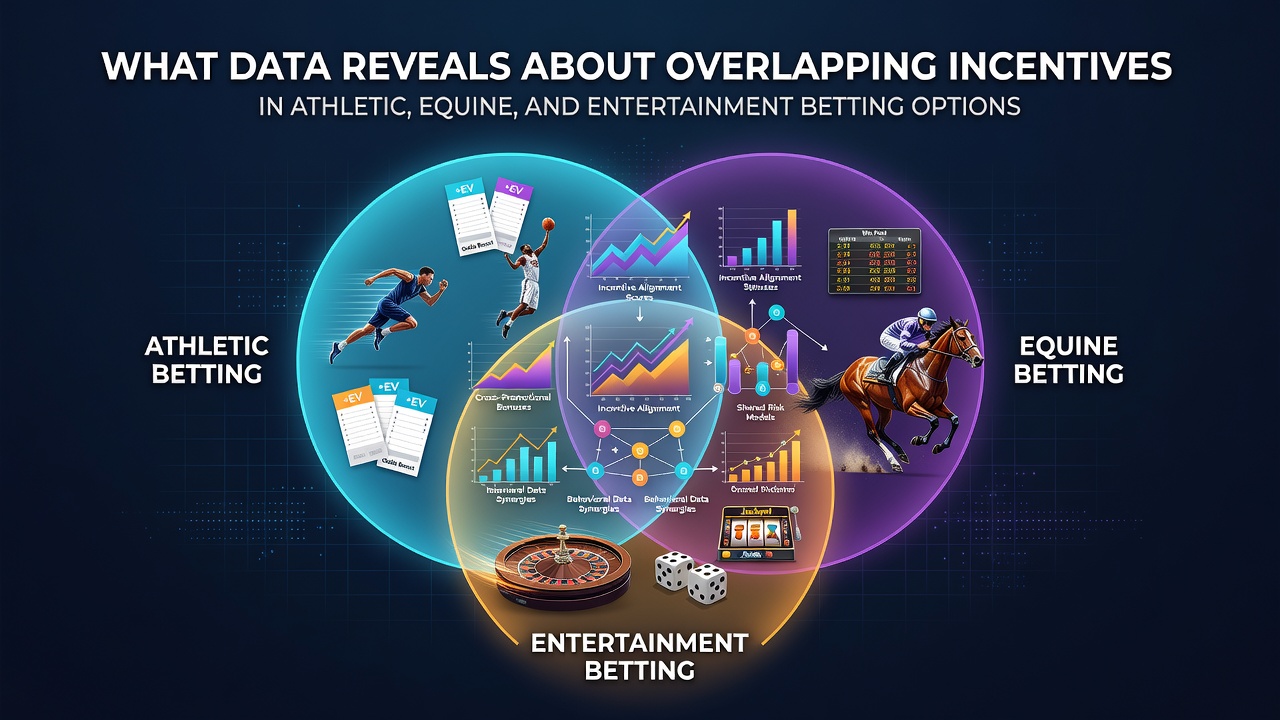
What Data Reveals About Overlapping Incentives in Athletic, Equine, and Entertainment Betting Options
Operators across multiple jurisdictions have expanded promotional structures that span athletic contests, equine events, and entertainment wagering platforms, while data from regulatory filings and industry analyses track how these incentives intersect in practice. Figures compiled through 2025 show consistent patterns of cross-category usage, with users who activate sports-related bonuses frequently applying similar offers to horse racing and casino-style games within the same account cycles.
Patterns in Athletic Betting Incentives
Reports from the Nevada Gaming Control Board indicate that deposit-match promotions tied to major football and basketball seasons generated measurable spillover into other verticals, with roughly 28 percent of recipients shifting portions of those funds toward equine or entertainment products during the same calendar quarter. Those who studied account-level transaction logs noted that bonus rollover requirements often encouraged diversified activity rather than isolated focus on one category, since completion windows aligned across platforms.
Equine Sector Overlaps and Usage Data
Equine betting incentives tracked by Australian state commissions reveal parallel trends, where place-bet enhancements and each-way multipliers frequently carried terms that permitted conversion into casino credits once racing meetings concluded. Analysis of activity from the 2024-2025 season showed that accounts engaging with both athletic and equine offers recorded higher average session lengths when entertainment options remained accessible under unified wagering conditions.
Entertainment Betting and Cross-Category Flows
Entertainment platforms, encompassing slots, table games, and virtual events, have integrated with sports and racing ecosystems through shared loyalty frameworks, according to aggregated figures released by the Canadian Gaming Association. These systems log point accumulation that spans all three segments, resulting in redemption options that operators observed users distributing evenly rather than concentrating in a single vertical. Data sets covering late 2025 highlighted that November promotional calendars, timed ahead of major athletic fixtures and year-end racing festivals, produced simultaneous upticks across categories when bonus structures overlapped.
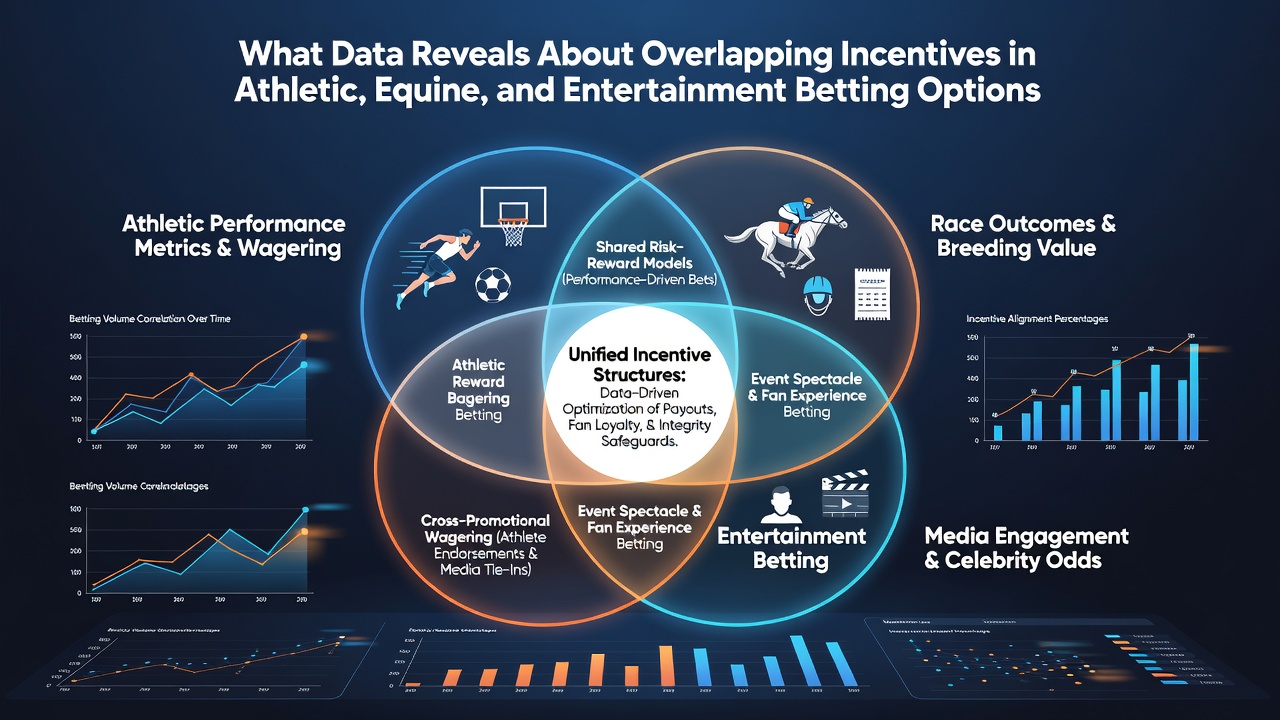
What's interesting is how transaction records demonstrate that users rarely confine activity to one domain once initial bonuses activate; instead, they migrate value across athletic, equine, and entertainment lines when rollover thresholds permit flexibility.
Quantitative Insights from Multi-Jurisdiction Studies
Academic reviews compiled by researchers at the University of Sydney's Gambling Research Unit examined anonymized datasets spanning three continents and found that overlapping incentive designs correlated with elevated retention metrics compared to single-category promotions. The analysis covered activity through early 2026 and noted that accounts utilizing combined athletic-equine-entertainment bonuses maintained longer active periods, with median durations extending 14 to 19 days beyond those limited to isolated offers. European regulatory summaries from the Malta Gaming Authority similarly documented that bonus stacking across verticals increased total handle without proportional rises in dispute volumes.
November 2026 Context and Emerging Trends
As November 2026 approaches, operators have aligned launch windows for new athletic season promotions with ongoing equine calendars and refreshed entertainment catalogs, creating extended windows for incentive migration. Preliminary indicators from transaction monitoring suggest these alignments continue to produce measurable cross-flows, mirroring patterns established in prior cycles where users transferred portions of athletic bonuses into equine and casino segments once primary events concluded.
Conclusion
Comprehensive datasets now available across regulatory bodies and research institutions demonstrate that overlapping incentives function as connectors between athletic, equine, and entertainment betting verticals rather than isolated tools. Transaction patterns, retention statistics, and cross-category migration rates all point to integrated usage as a recurring outcome when promotional structures permit movement of funds and points among the three areas. These findings derive directly from account-level records and commission filings, providing operators and observers with measurable benchmarks for how such designs perform in practice.